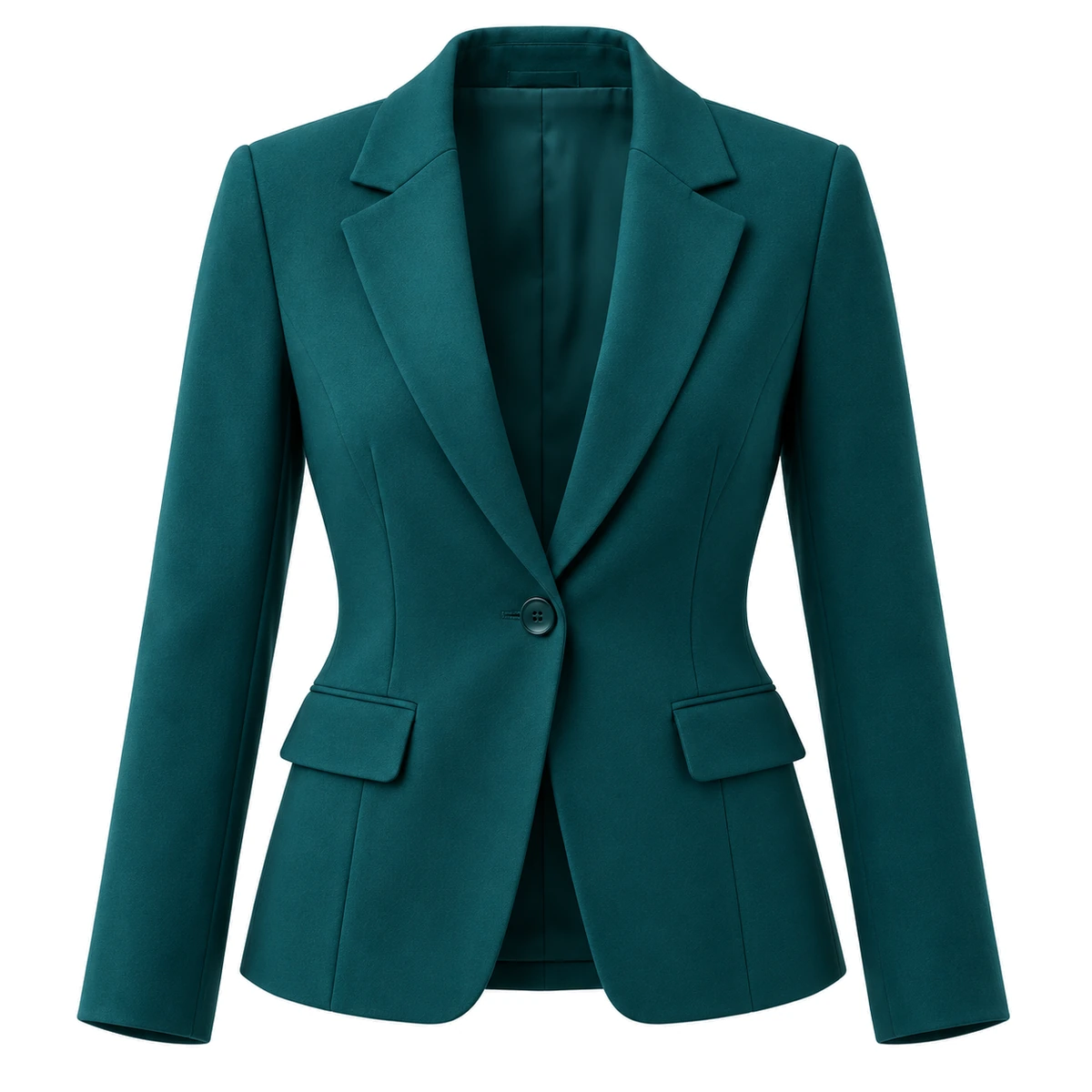
Petrol Blazer — Invisible Mannequin
A three-dimensional catalogue view showing the shoulder, collar and waist shape.
TEXTILE PHOTOGRAPHY AND CUTOUTS
We photograph textiles using invisible mannequin photography (also called ghost mannequin photography), flat lay or white backgrounds, then prepare consistent cutouts, colour and retouching for online use.
THE RIGHT METHOD FOR EACH PRODUCT
We choose the method based on material, fit and the intended platform, keeping the collection consistent while preserving each product's details.
A three-dimensional catalogue view showing the shoulder, collar and waist shape.
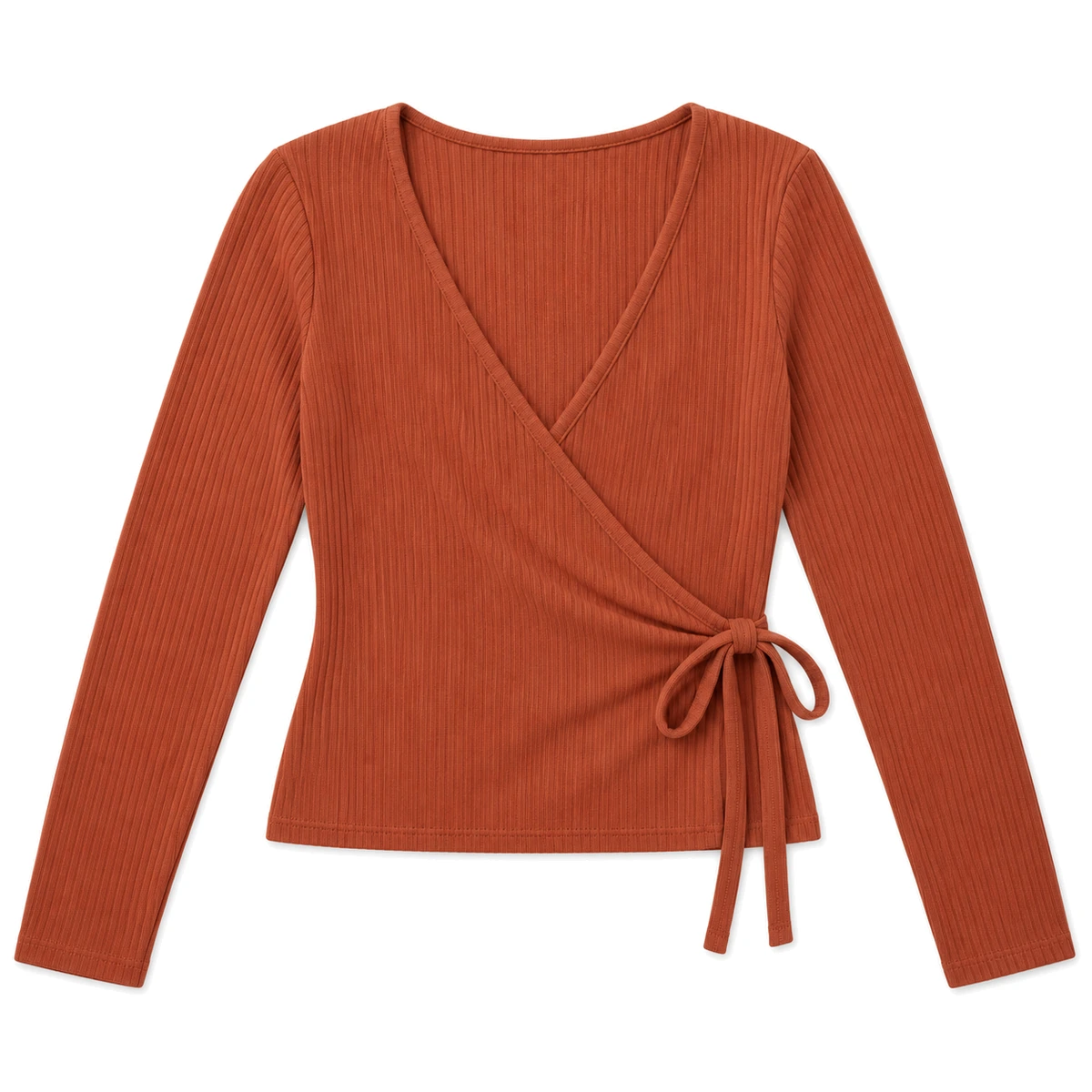
A balanced overhead view with sleeves and tie detail clearly arranged.
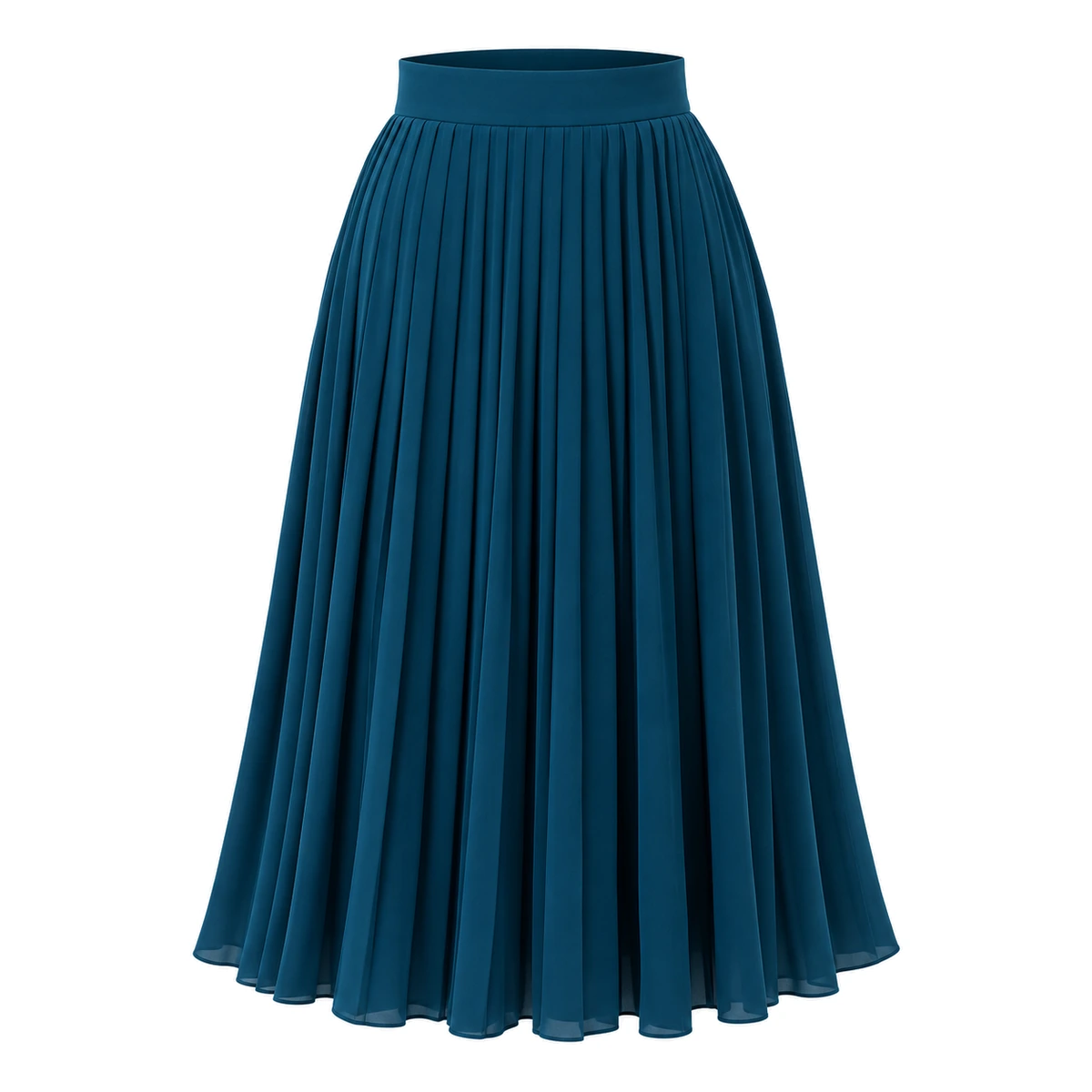
A controlled image preserving pleat rhythm, fabric drape and waistband.
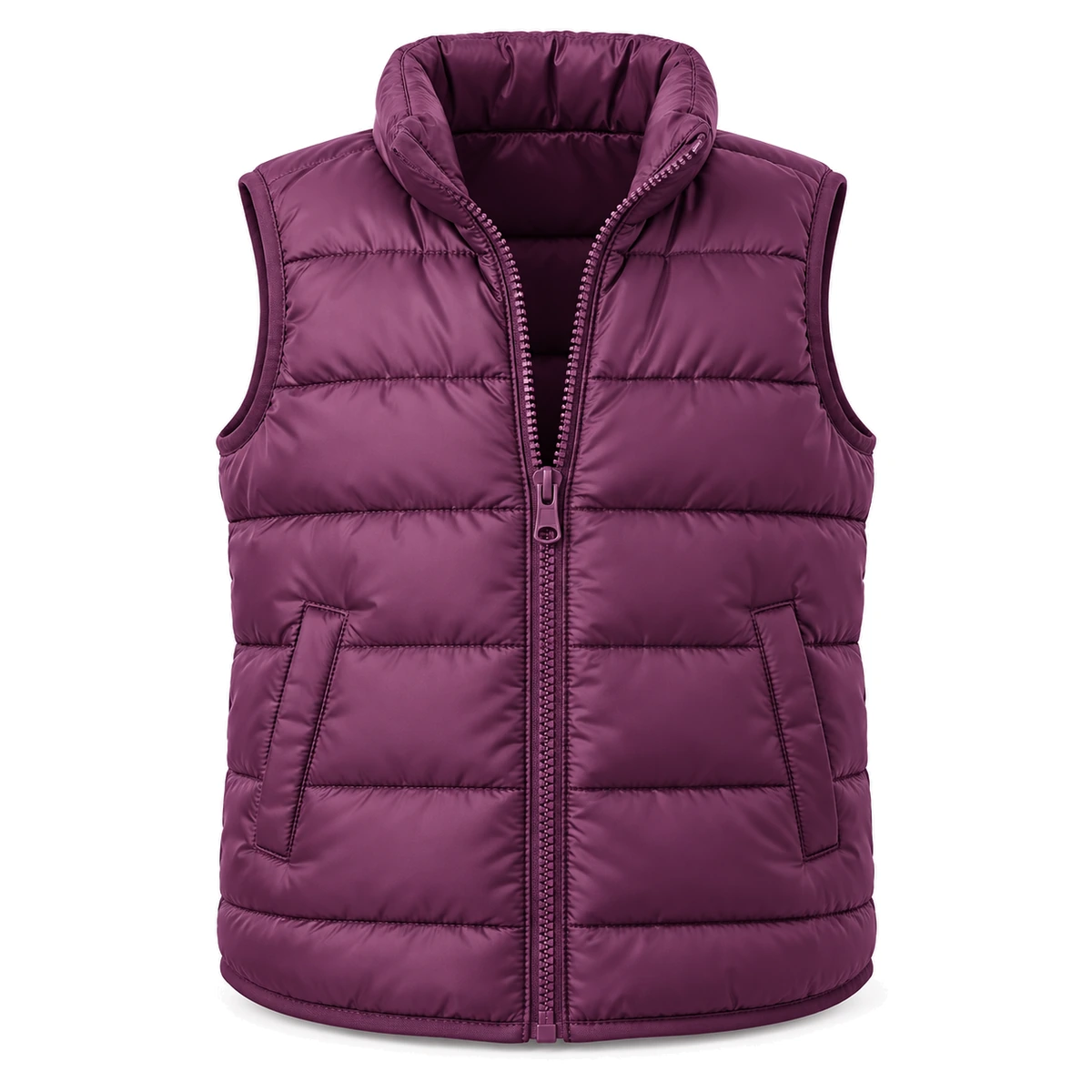
The volume, seam lines and zip details remain clear.
FROM SHOOT TO DELIVERY
The approved first product establishes framing, lighting and colour for the rest of the series.
Agree on background, shadow, scale and framing for e-commerce clothing photography using the first approved product.
Prepare the fabric for invisible mannequin, flat lay or white-background photography.
Remove dust and stray threads, complete a neck joint where needed, and check edges, texture and colour.
Export the approved images in the dimensions and formats needed for each channel.
TEXTILE IMAGES FOR ONLINE STORES
Textile photography is more than placing a garment against white. Matte and glossy surfaces, transparent areas, stitching and the garment's volume require suitable lighting.
We apply category-level rules for product height, margins, shadow and white balance, even when products are photographed on different days.
Our Istanbul studio handles individual products and seasonal collections; we also provide cutouts and retouching for files sent remotely.
FREQUENTLY ASKED QUESTIONS
Invisible mannequin photography, also known as ghost mannequin photography, shows fit and shape. Flat lay highlights surface and print; white background suits simple product listings.
A neck joint completes the inner collar after the mannequin is removed. It needs suitable source views so the neckline and fabric remain faithful to the garment.
Flat lay clothing photography presents a garment from above and can make prints, surface texture and overall shape easy to compare across a collection.
Yes. We set a scale and safe margin for the category and apply it across the collection.
We correct shooting-related light and colour differences while retaining material character, stitching and texture.
Yes. One approved master can be exported in different ratios, dimensions, names and formats.
PLAN YOUR COLLECTION